

Empowerment
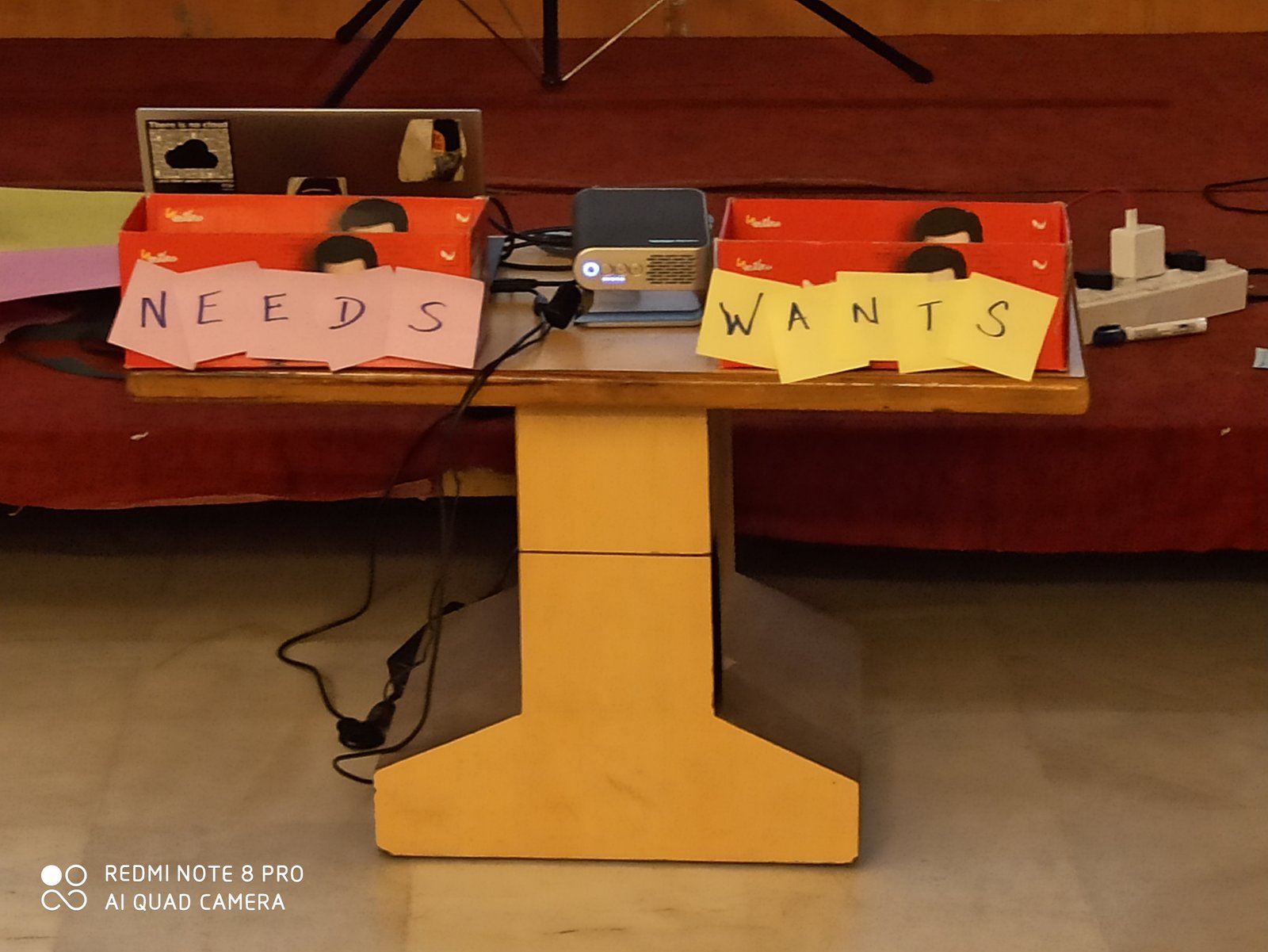
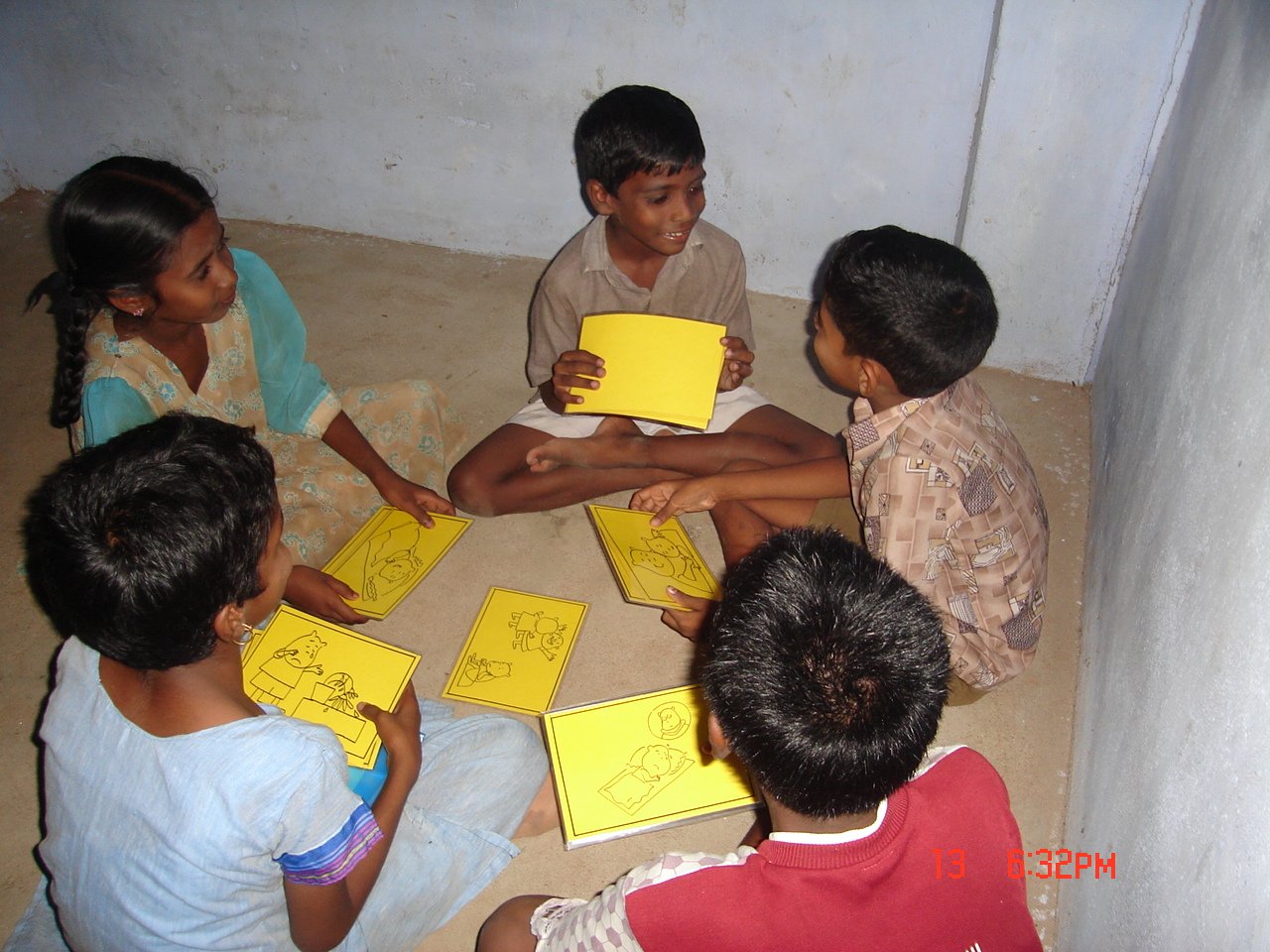

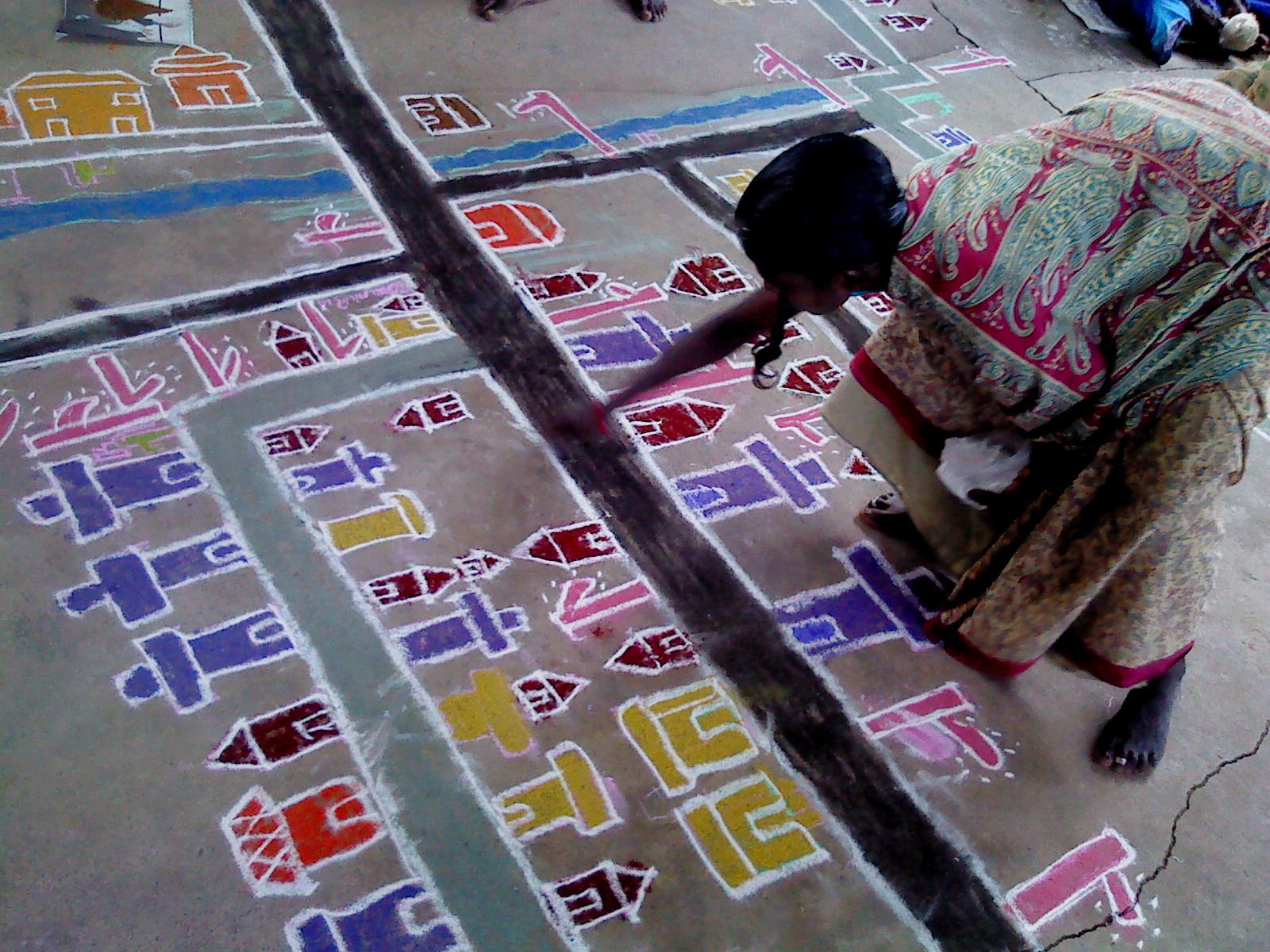

Equip Foundation works to empower women, children and vulnerable communities by equipping them to equip themselves with the knowledge, confidence, skills, resources and opportunities needed to shape their own lives and communities. A key component of our work is legal empowerment and access to justice. Equip Foundation promotes legal education and rights awareness among communities, particularly women and children, covering relevant laws, entitlements, protection mechanisms and available avenues for justice.
We support the development of community-based paralegal systems by identifying and building the capacities of community members who can provide basic legal information, assist with documentation, facilitate referrals and connect people with appropriate legal-aid and government institutions. Where required, we facilitate linkages with qualified legal professionals and relevant institutions for appropriate legal support, enabling communities to increasingly understand, claim and protect their own rights.
Women are supported to understand their rights, strengthen their voice and participation, access government schemes and services, and improve their financial independence and economic decision-making through financial literacy, savings, livelihood opportunities and enterprise development. For children, we promote child rights education, awareness of protection mechanisms, safe participation, life skills and knowledge of their rights, enabling children to express their views, seek help and participate meaningfully in matters concerning them. In keeping with our philosophy of “Equip them to Equip Themselves,” we aim to nurture self-reliant, informed, confident and empowered individuals and communities who can sustain positive change and create better opportunities for themselves, their families and future.
Key focus
- Legal education
- Rights awareness
- Community leadership
- Financial empowerment
- Livelihood opportunities
- Access to appropriate support services.