

Sustainable Development & Climate
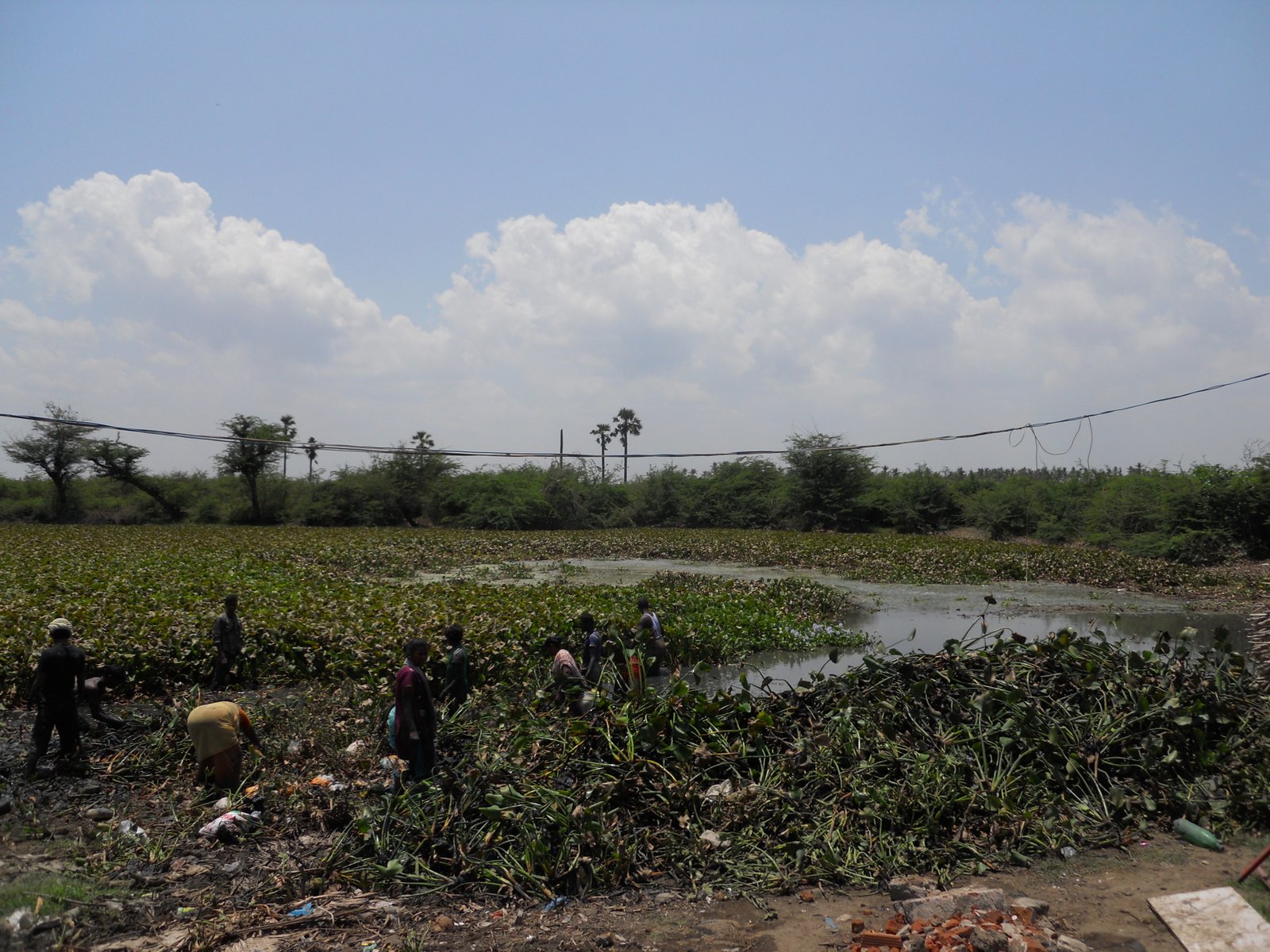
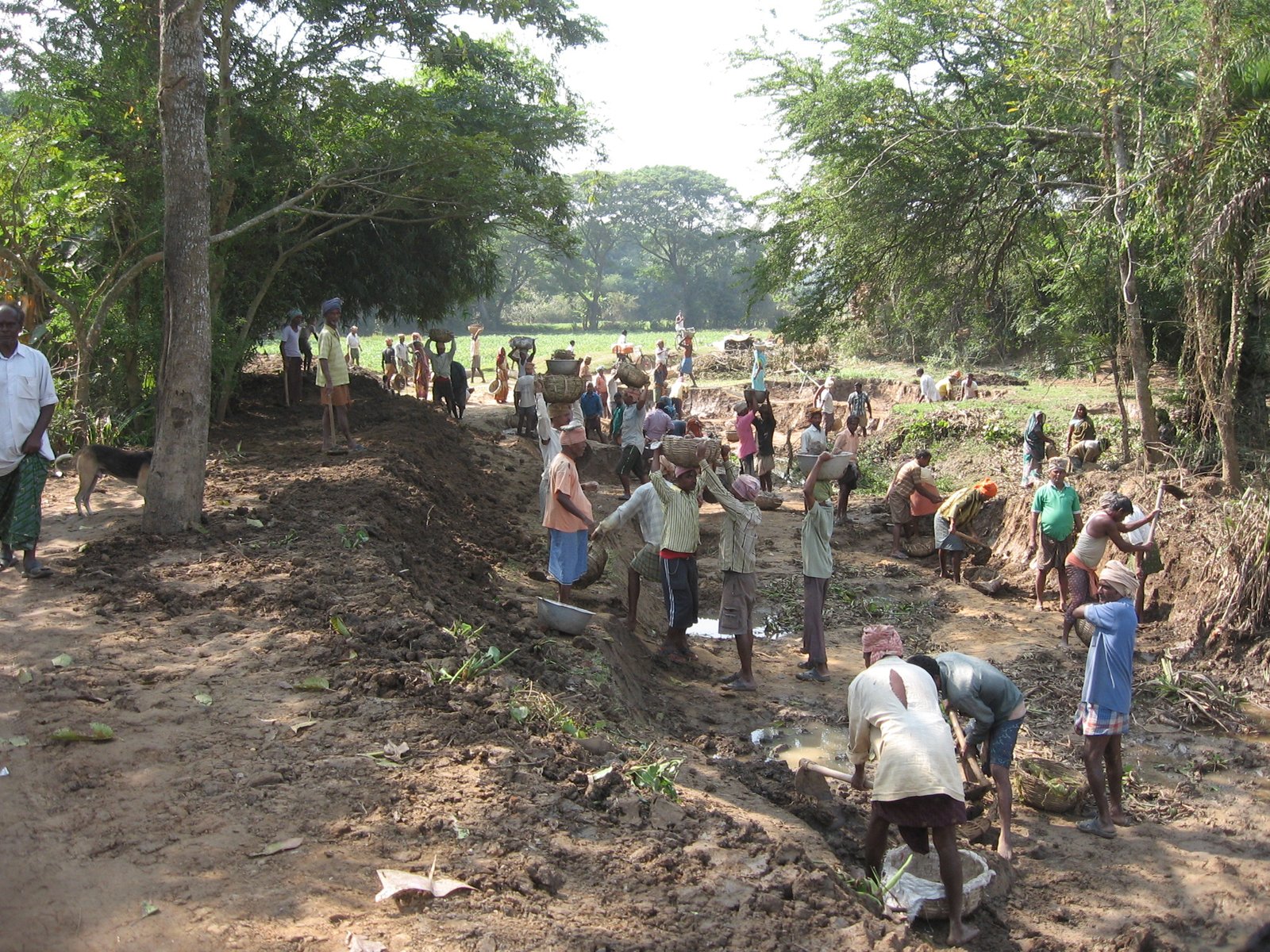
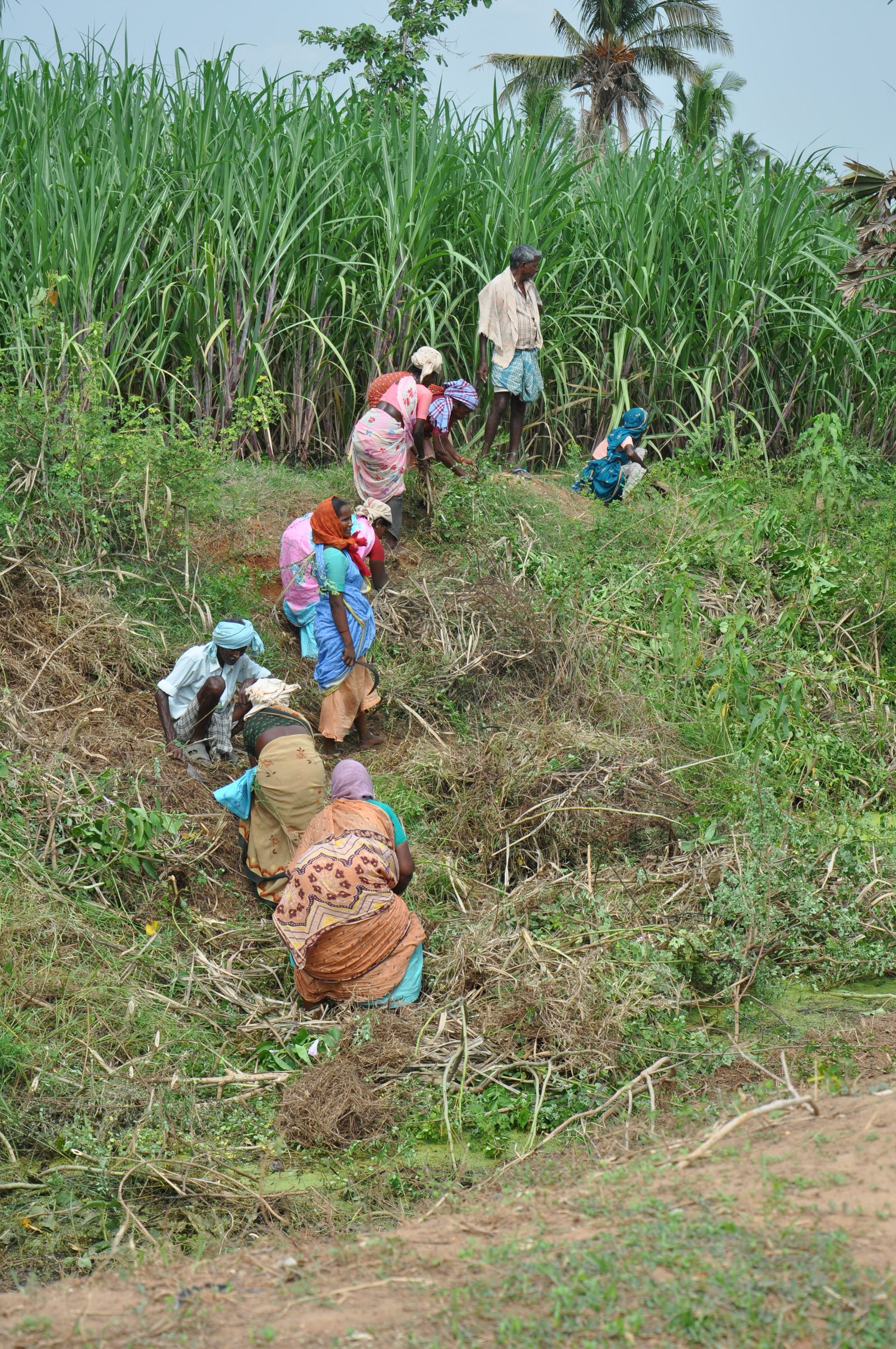
Equip Foundation promotes sustainable and climate-resilient communities by working with people to protect natural resources, strengthen local capacities and develop locally owned solutions to environmental and climate challenges. We also promote practical environmental actions such ecological restoration, carbon sequestration and greener, healthier communities.
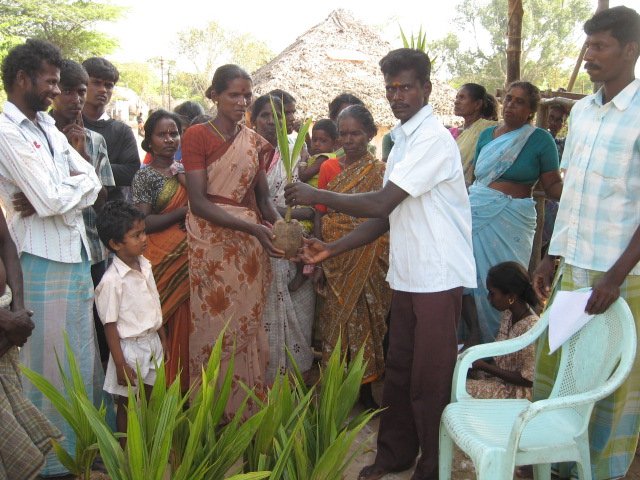
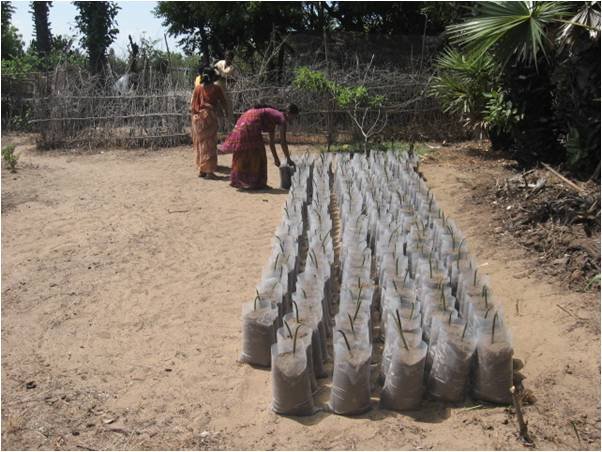
We support communities in establishing and maintaining community nurseries, raising locally appropriate seedlings and organising plantation drives in community spaces, schools, institutions and other suitable locations. Communities are encouraged to prepare seed balls and undertake seasonal planting during the rainy season, while palm trees and other locally suitable species are promoted according to the ecological conditions of the area. We also encourage waste reduction, recycling, resource efficiency and appropriate renewable-energy solutions.
A key strength of Equip Foundation is its emphasis on community-led climate action through the Asset-Based Community Development (ABCD) approach by identifying and mobilising the existing assets, skills, knowledge, relationships, institutions, natural resources and local leadership within the community. We seek to move communities from being passive recipients of environmental programmes to active owners and leaders of climate action. By combining community assets and traditional knowledge with appropriate technical support and partnerships, we aim to build greener, self-reliant and climate-resilient communities, while strengthening biodiversity, protecting natural resources, improving water and soil security, restoring local ecosystems and creating sustainable and climate-resilient livelihoods for present and future generations.
Key focus
- Climate awareness
- Water security
- Sustainable agriculture
- Natural resource management
- Biodiversity conservation
- Waste management
- Renewable energy and climate-resilient livelihoods
- Climate-smart and sustainable agriculture
- Soil and land conservation
- Responsible natural resource management